Paper
Projects
Selected Work
01
——
Mobile App
Plogi — Photo Journal App
A full iOS app I designed, built, and shipped solo, from idea to the App Store.
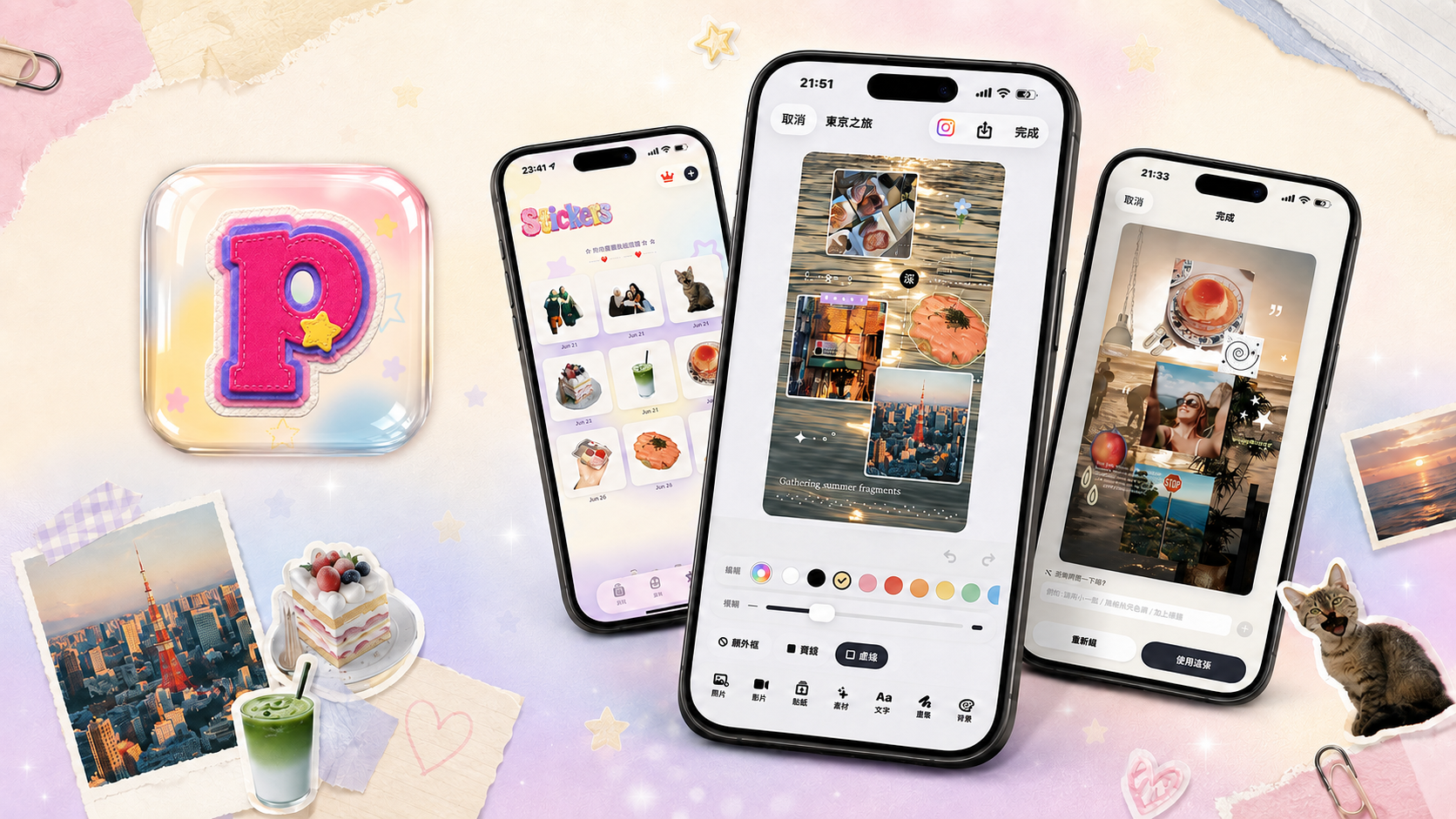
I've always taken way too many photos on my phone: scattered screenshots, half-finished albums, memories I never actually looked back on. I wanted something that felt like an actual journal instead of a camera roll, but everything I tried was either too plain, just a grid of photos, or too complicated, professional collage tools with a steep learning curve. So I built Plogi myself. It lets you drag photos, videos, stickers, and text onto a page however you like, with an AI layout feature that steps in when you don't feel like designing. I designed and built the whole thing solo, from the first sketch to the App Store, including the AI background-removal feature and the subscription system.
View on the App Store →
02
——
Automation
Mental Health Assessment Automation Pipeline
Saving the research team about 20 hours of manual work every month.
Built a comprehensive automation pipeline handling the complete workflow of mental health assessments for children's institutions. It automatically distributes surveys, collects responses in real time, calculates psychological scores (RFQ-C, RFQ-U, and distress indicators), and turns everything into clear, easy-to-read results. The system also features heatmap visualizations showing distress intensity across five indicators, line charts comparing individual trends with group averages, and automated email reports with warm, personalized feedback statements.
View on GitHub →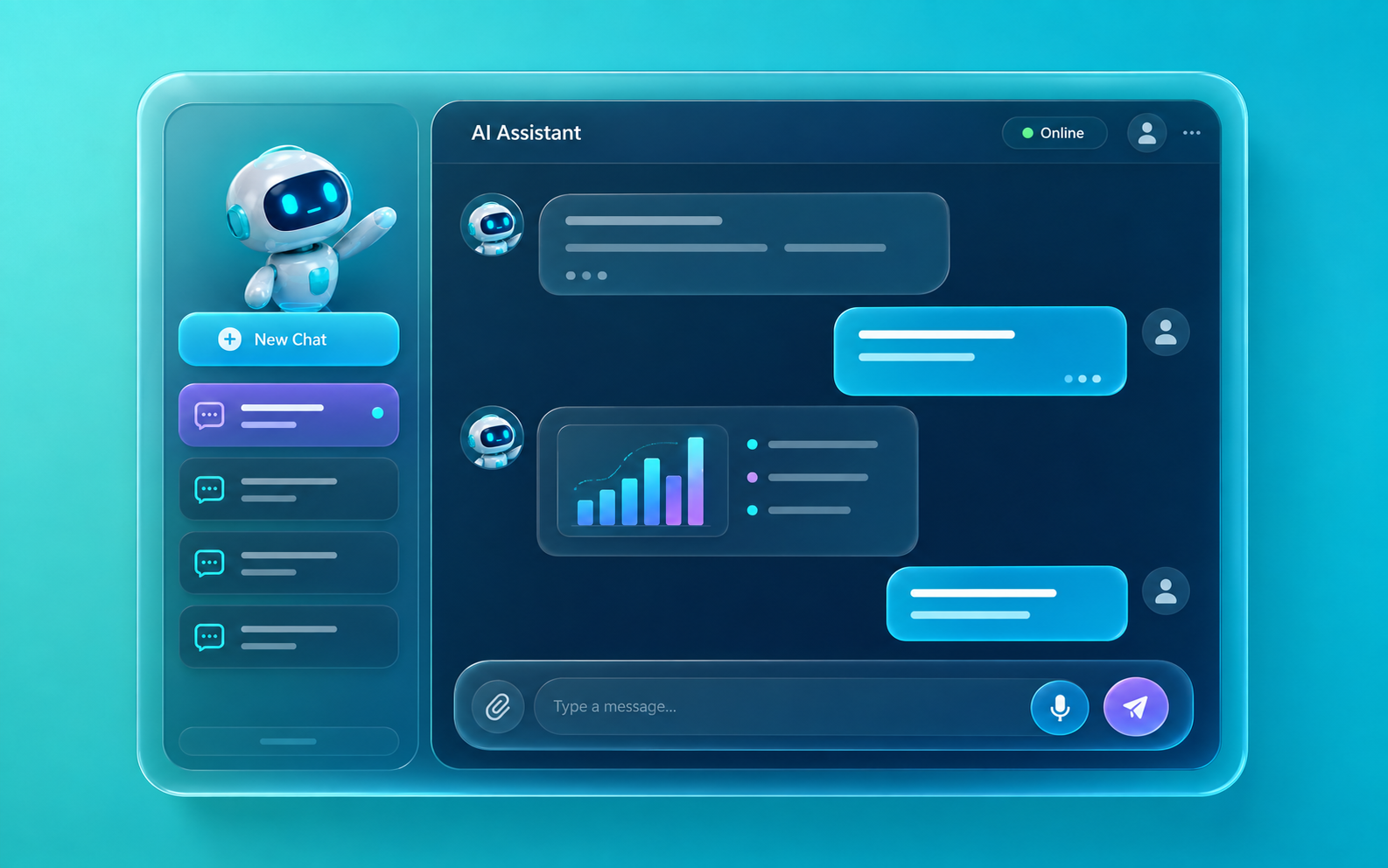
03
——
RAG System
RAG Chatbot for WOOSH Navigation
95% answer accuracy with source citations.
My partner and I developed a RAG-based chatbot designed to help users clearly understand how WOOSH navigation works, a Berkeley SkyDeck-backed startup focused on using commuter vehicles to deliver mid-weight goods. We also built the entire UI and connected it to a FastAPI backend, so users can interact with the chatbot seamlessly. It provides concise, well-cited answers about workflows, features, and operations, making the platform much easier to navigate.
04
——
Agentic AI
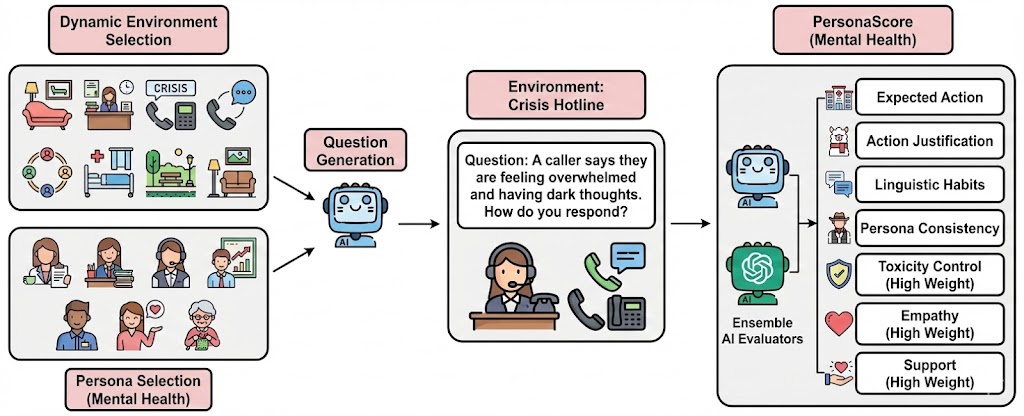
Agentic AI for Mental Health Scenarios
Achieved stable multi-dimensional scoring across 7 behavioral metrics in crisis-intervention mental health evaluations.
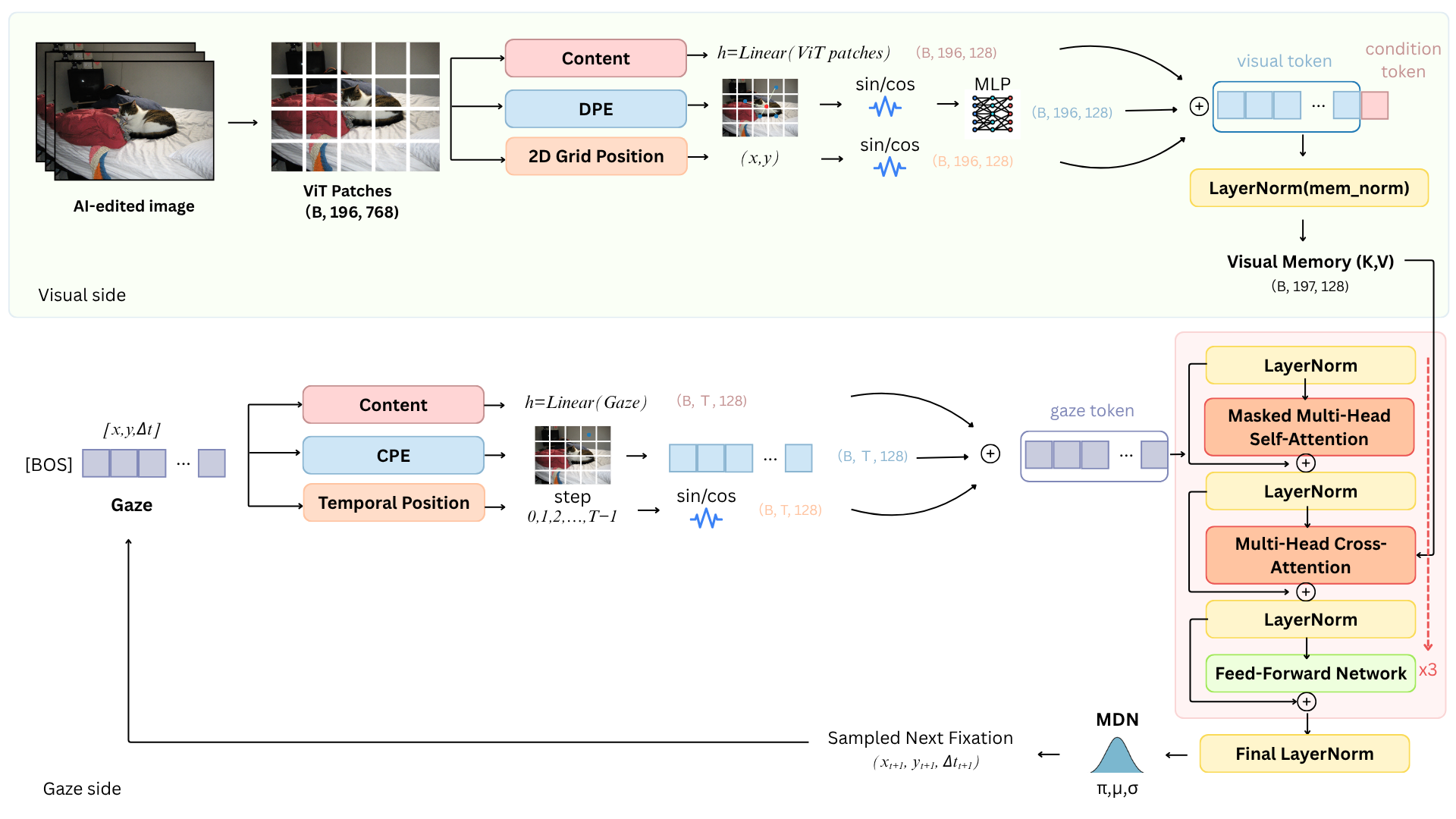
As part of UC Berkeley CS 194: Agentic AI, my group members and I extended the PersonaGym framework into a specialized evaluation pipeline for mental-health-oriented agent systems. The system benchmarks an agent's ability to conduct empathetic dialogues, detect emotional distress cues, and deliver safe, supportive responses. We built scenario-driven evaluation metrics across empathy, safety, and support dimensions, and implemented a full A2A testing loop to automatically score agent behaviors under controlled conditions.
View on GitHub →
05
——
Machine Learning
Creator Insight Engine
Finding the hidden gems before they go viral.
Built with my project partner to help brands spot high-potential YouTube travel creators before they blow up, instead of just chasing whoever already has the most subscribers. We pulled historical Social Blade data and used CatBoost and LSTM models to forecast next-month subscriber and view growth, then layered in DBSCAN clustering to group creators by engagement patterns. The output is a ranked "Decision Index" that surfaces undervalued creators with strong growth momentum, so brands can catch rising stars while collaboration costs are still low.
View on GitHub →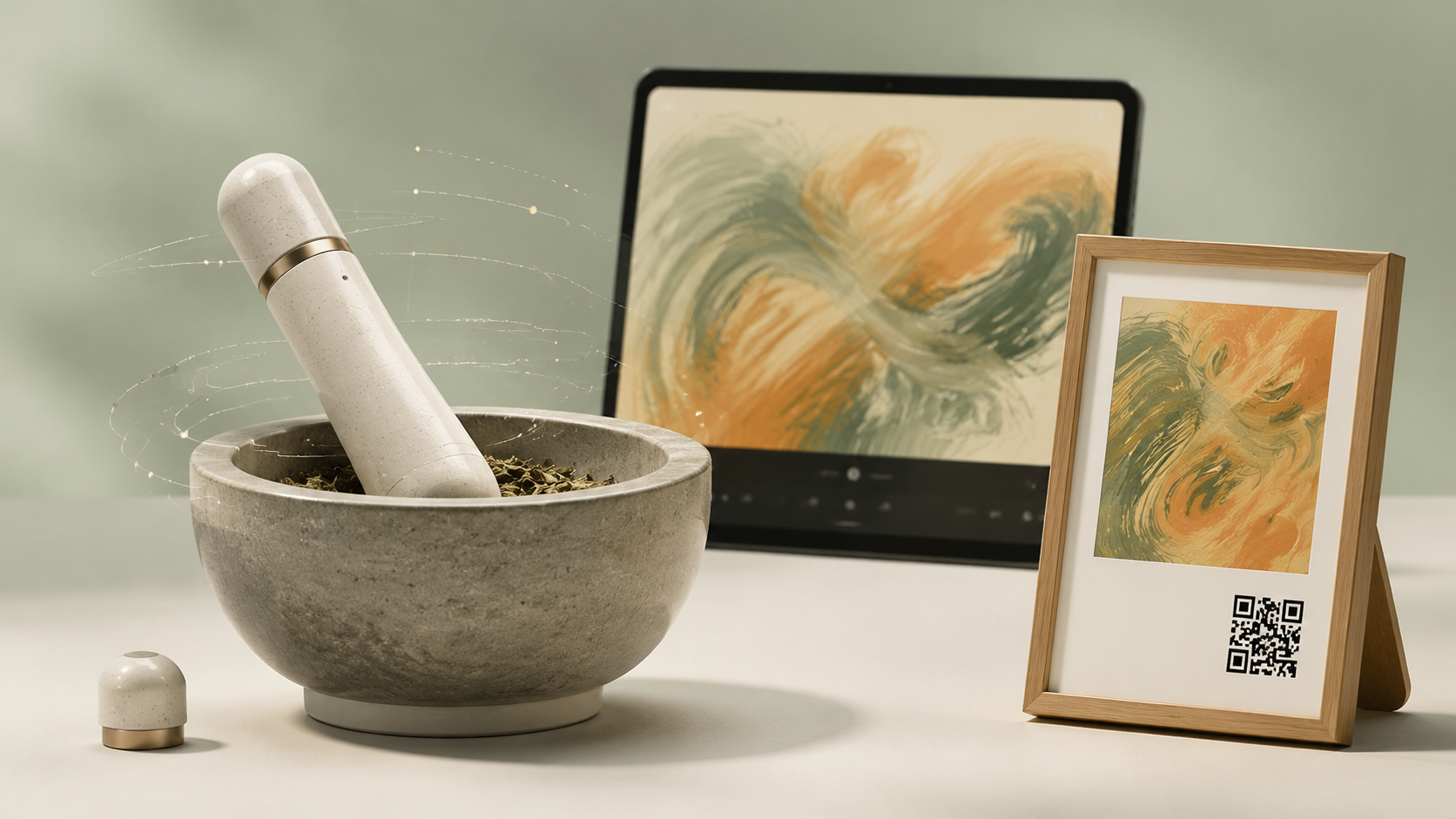
06
——
Interaction Design
Slow Design: Reviving Lei Cha Through Motion
Turning the repetitive motion of grinding tea into personalized, collectible art.
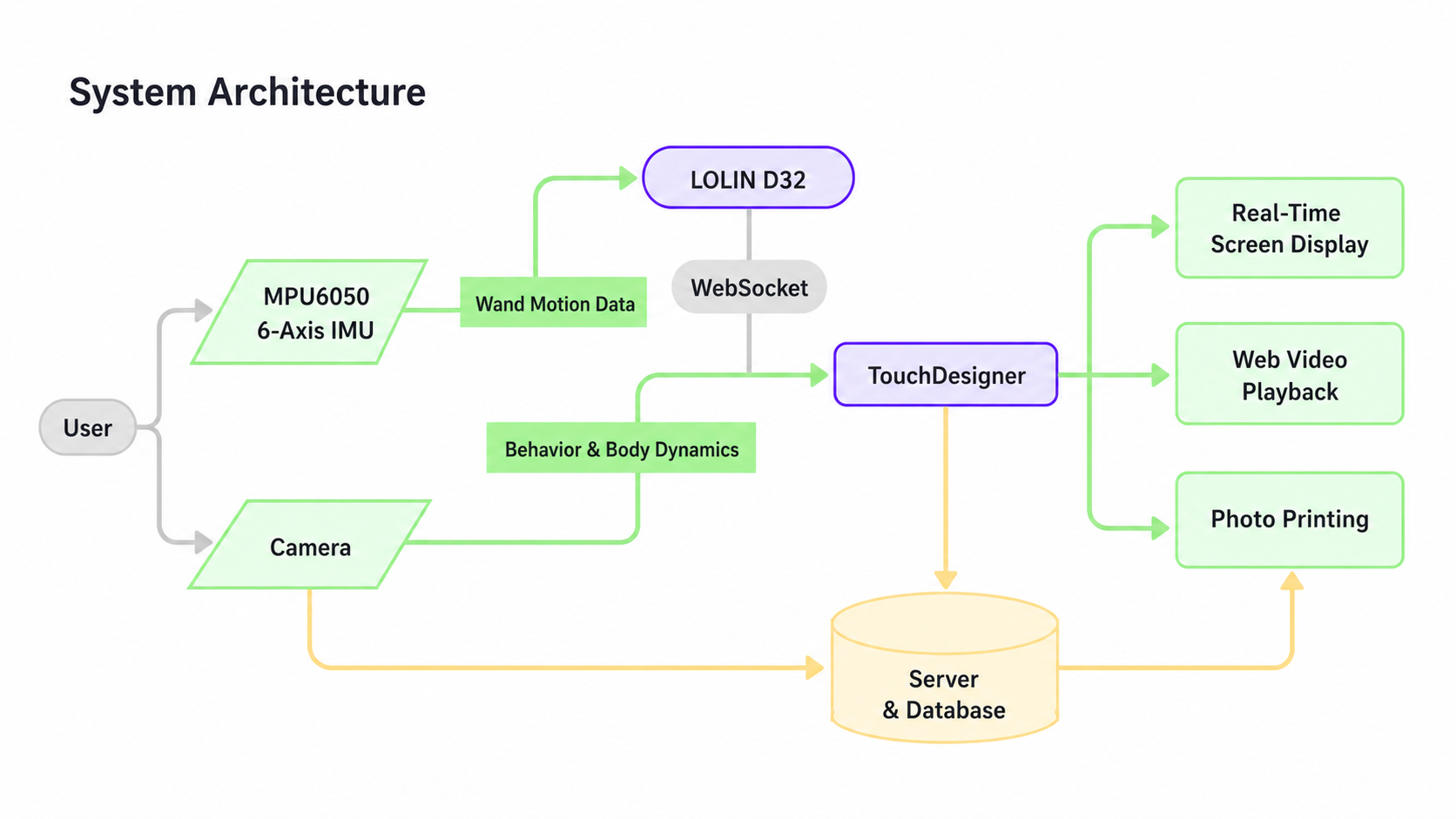
For OpenHCI, my team explored "slow design" through the lens of lei cha (擂茶), a traditional Hakka tea-grinding ritual that's losing its meaning as mechanization strips away the time, effort, and intention once poured into every grain of tea powder. We built an interactive installation that uses sensors to capture each participant's grinding force, speed, and path, then translates that motion into a personalized painting: brush strokes, colors, and texture that reflect how they moved. A camera identifies who's grinding so multiple people, often family members, can co-create one piece together, turning a repetitive, almost invisible task into a shared, collectible artwork. The goal was to make people feel the weight of the labor and the warmth of the relationship behind it, instead of letting efficiency erase it.